Belgium law is a part of the civil law tradition of continental European legal systems.
The apex of the legal system is the Constitution of 1831, as well as five French codes, which are the basis of Belgian legislation since promulgation of independence in 1831 and were adopted in 1804-1910 when the territory was under the rule of Napoleon. They are the Civil Code, the Commercial Code, the Penal Code, the Civil Procedure Code, and the Criminal Procedure Code. The all underwent big changes. For example,
Companies Act was added to the Commercial Code as an independent part in 1935.
Under the legislation of Belgium, the following types of commercial entities may be established in Belgium to carry on business:
The most common form of business vehicles for foreign companies in Belgium wishing to carry on business is Private limited liability company - SPRL / BVBA). The most important features of BVBA are liability of shareholders according to their capital contributions and limited transfer of shares.
To register an Belgian company, the following steps are required:
Thanks to access to notarial system www.e-notariat.be, notaries are able to register articles of incorporation electronically with the Central Enterprise Databank (BCE / KBO), the commercial court and the Belgian Official Gazette (Moniteur belge / Belgisch Staatsblad) in a single operation.
The name of an associate, the corporate purpose or any other name can be chosen as a company name. It should also contain a legal name either in full – société privée à responsabilité limitée/besloten vennootschap met beperkte aansprakelijkheid, or in shortened form SPRL / BVBA.
In order to avoid confusion or unfair competition (so that one company is not mistaken for another), you must ensure that you choose a name which is not already used by another company or which would resemble another company’s name. Similarly, it is also important to verify that the name is not a registered trademark or is not already the name of an organization or association.
In general, a notary public will verify these aspects before the company’s incorporation. Among others, you can search for active registered companies via the Enterprise Crossroads Bank or check the section of the Belgian Official Gazette website which is reserved for commercial companies.
In Belgium additional licensing is required for trust, insurance and banking services. In the meantime BVBA are not allowed to distribute funds and carry on insurance activities. There are also some restrictions for foreign investors in such fields as post, energetics, broadcasting, public transport and telecommunications.
Belgian companies must maintain a registered office in Belgium. It should be a real address, not a PO Box.
Accounting books, minutes of Board meetings and Shareholders meetings should be kept at the registered office.
A new Belgian company developing activities can rent (lease), buy or build premises. Most small and medium sized businesses start by renting space according to their particular needs. Local authorities can assist in finding appropriate premises. For example, in Flanders it would be Flanders Investment & Trade, in co-operation with local development authorities and/or real estate advisers who will prepare an overview of potential locations in the different areas of Flanders, according to the specifications of the potential investor.
One of the typical features of a so-called commercial lease is that the lease is contracted for a nine-year period but can, under certain conditions, be terminated by either party after any three-year period, albeit it under specific conditions for the lessor.
Leases must be registered for tax purposes only and therefore must be in writing, stipulating the duties and obligations of the respective parties. Under Belgian Law, registering a lease also gives more protection to the tenant when the premises are sold by the landlord to a new owner during the execution of the lease.
Generally, a landlord will require a deposit which usually equals three to six months rent. This can be provided by a deposit in cash with a bank or by a bank guarantee. In the latter case, the bank will charge the tenant a small fee.
It is not required from Belgian companies to have a seal.
The redomiciliation of companies either to or from Belgium is not permitted.
A Belgian company is required to have a minimum of one director. Director should be properly qualified what should be confirmed by educational diploma or certificate on practical experience. Directors can be residents and non-residents, individuals and corporates. Directors are not bound to be shareholders.
Board of Directors can pass its powers to the managing director. Board meetings are held according to the procedure adopted in the Articles of Association.
Secretary is not required in Belgian companies.
Belgian companies may have at least one shareholder. Shareholders can be individuals and corporates, residents and non-residents. Nominee shareholders are permitted.
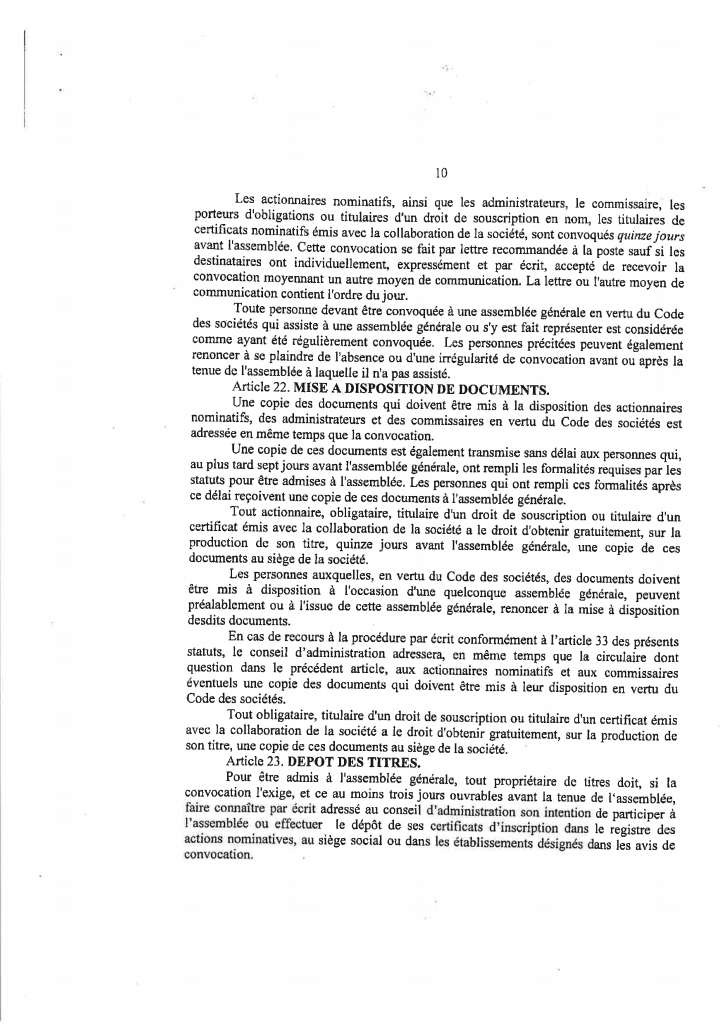
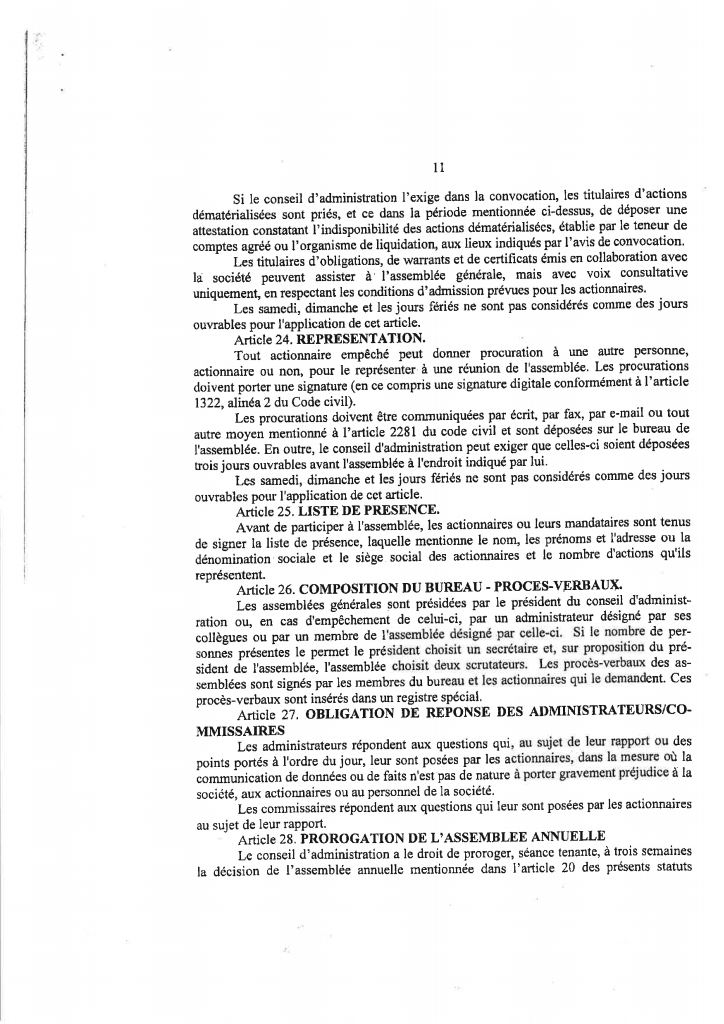
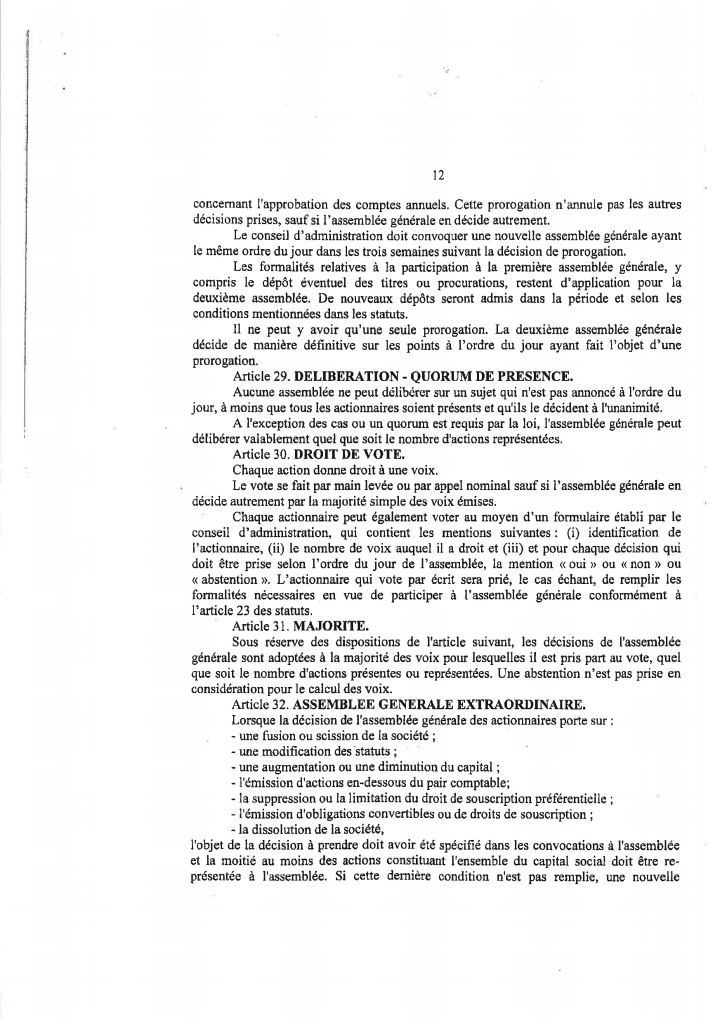
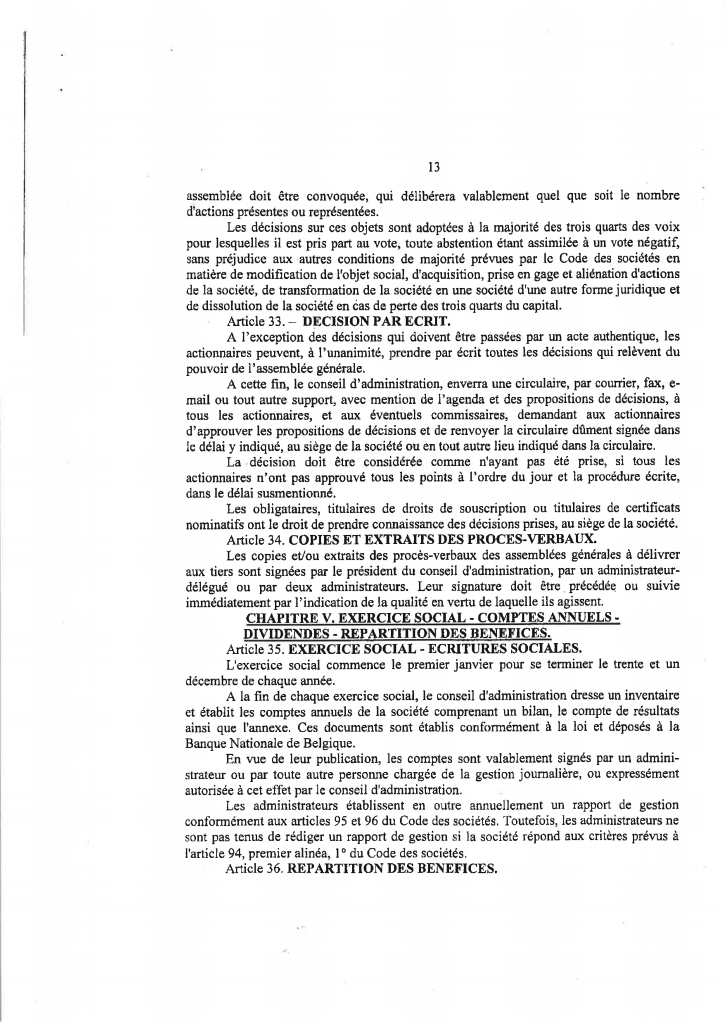
General Meetings are to be held annually according to the Articles of Association following the end of each accounting. Place of meeting should be at the registered office or at another place specified in the minutes of the meeting.
Information on the company shareholders is disclosed to the local agent and filed on public record.
Since 2018, Belgium has introduced a Registry of Beneficiaries, which includes information on the ultimate owners and beneficiaries of companies, foundations, non-profit organizations, trusts and other similar structures.
Companies are required to keep reliable, accurate and up-to-date information about their beneficiaries and submit it to the electronic registry within a month.
In November 2022, Belgium suspended public access to the register of beneficiaries pursuant to the Court of Justice of the EU (CJEE) decision in consolidated cases C-37/20 and C-601/20 of November 22. The Court ruled that Article 1, paragraph 15(c) of Directive (EU) 2018/843 of the European Parliament and of the Council of 30 May 2018, which provides for access to information on the beneficiaries of legal persons for any member of the public, was invalid as it constituted a serious interference with the fundamental rights to respect for privacy and to the protection of personal data enshrined in Articles 7 and 8 of the EU Charter of Fundamental Rights.
The capital must be fully subscribed at the time the company is incorporated, to the amount of EUR 18 550.
Each share subscribed in cash must be at least one-fifth paid up. Shares corresponding to contributions in kind must be fully subscribed at the time of the incorporation. Of the total capital, a minimum of EUR 6 200 must be paid up in the account of the SPRL / BVBA. If the company has only one founder a minimum of EUR 12 400 needs to be paid-up.
All shares are nominative shares and have to be registered in a share register. Bearer shares cannot be subscribed. The transfer of shares takes the form of a declaration of transfer in the share register and is subject to certain transfer restrictions. The shares cannot be transferred unless the transfer is approved by a special majority of partners.
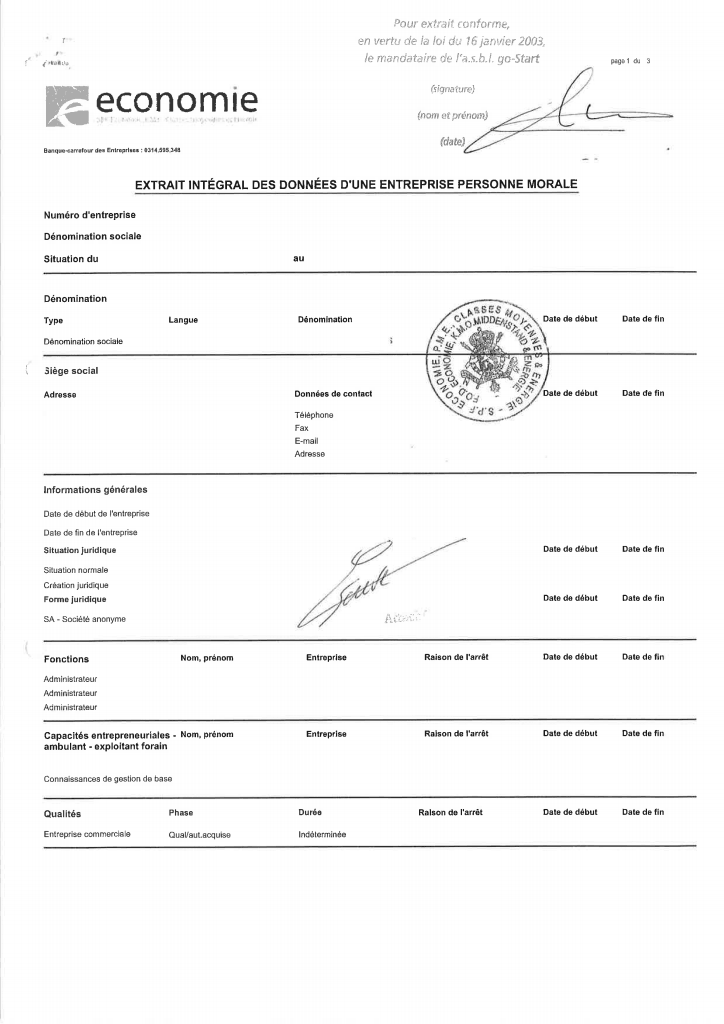
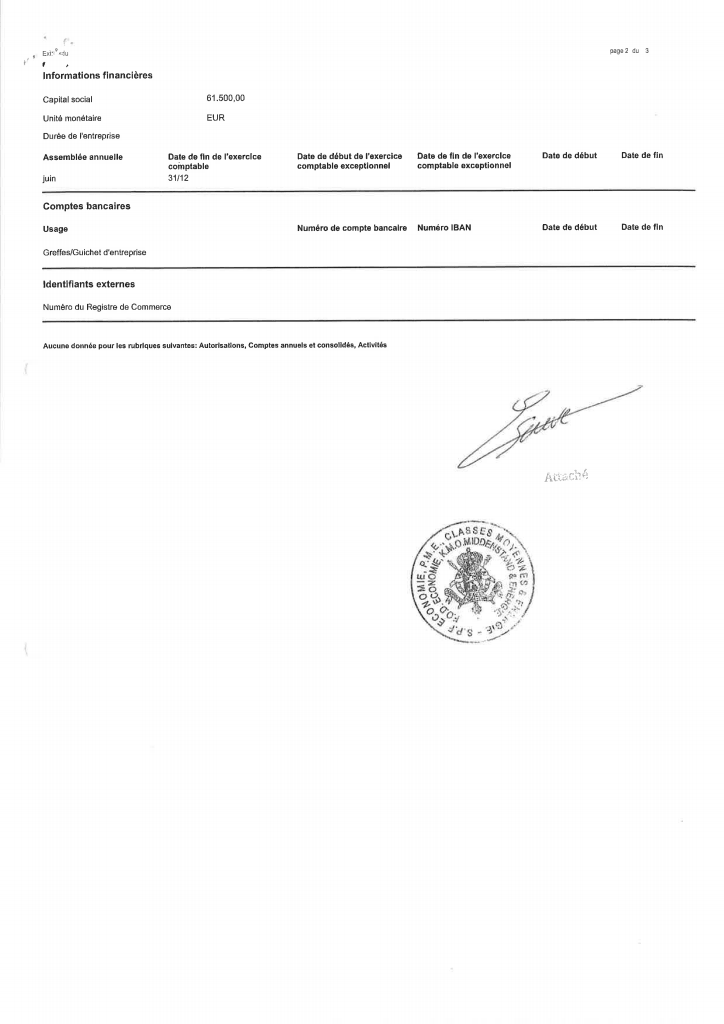
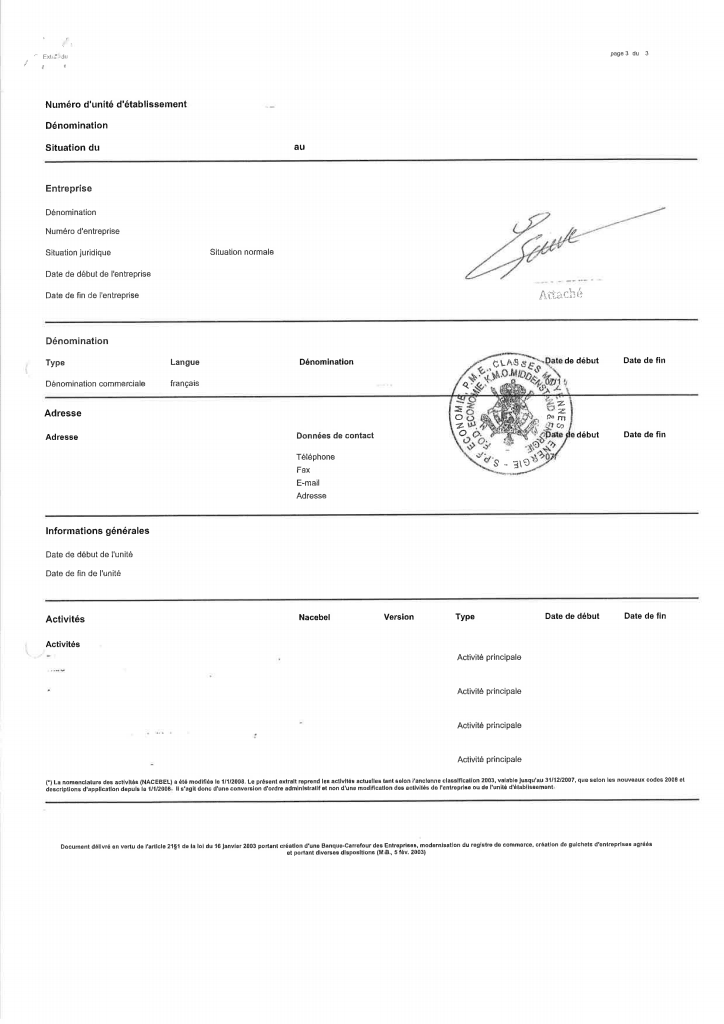
In Belgium there is an open register of companies - Crossroads Bank for Enterprises (BCE / KBO). It includes the following information on companies:
The European Union directive on data protection sets a number of requirements with which companies processing personal data in any EU country must comply. Belgian law has implemented this directive. When a company established in Belgium undertakes activities that involve (directly or indirectly) the processing of personal information about, for instance, its employees or customers as individuals, it must abide by the Belgian data protection regulations.
The processing of data includes any business operations performed upon personal data such as the collection, recording, storage, use, dissemination or destruction of data. The data protection rules apply to the manual processing of personal data (provided the personal data is, or will be, included in a filing system) and to the processing of personal data by automatic means (e.g. by computer), regardless of whether this is done routinely or only once for a specific purpose.
The processing of personal data is permitted if certain conditions are met - for example, when the individuals concerned have given their consent or when processing is necessary for a company to perform a contractual obligation towards the data subject.
The manner of processing is also subject to specific legal requirements. In particular, data can be collected only for legitimate, specific and explicit purposes. If there is further processing for other reasons, the data subjects must, in principle, give their consent to the new processing. There should also be a relevance between the data collected and the purpose of the processing. In addition, the processed data must be accurate and, where necessary, be kept up to date.
Companies are permitted to transfer personal data to third (non-EEA) countries only if the third country in question ensures an adequate level of protection. These processing operations will also have to be notified to the Commission for the Protection of Privacy, except in case of exemptions based on the applicable rules regarding notifications.
The process of setting up a new company in Belgium, from applying for registration to receiving a set of documents, is 7 days.
The cost of opening a company in Belgium depends on the type of company to be registered and the type of activity you will be engaged in. The minimum package of services costs EUR 18 700 and includes: registration of the company on a turnkey basis, lease of the registered office for a year and secretarial services, payment of all necessary duties and fees, as well as apostilled translation of the constituent documents.
Yes, foreigners are able to start a business in Belgium. There are no restrictions on foreign ownership of businesses in Belgium. To start a business in Belgium, you will need to follow the same steps as a Belgian citizen. This includes choosing the appropriate legal structure for your business, registering your business with the appropriate authorities, and obtaining any necessary licenses or permits. You will also need to meet any regulatory requirements that apply to your specific business sector. It is advisable to seek legal and financial advice when starting a business in Belgium, as the process can be complex and may vary depending on the type of business you are starting.
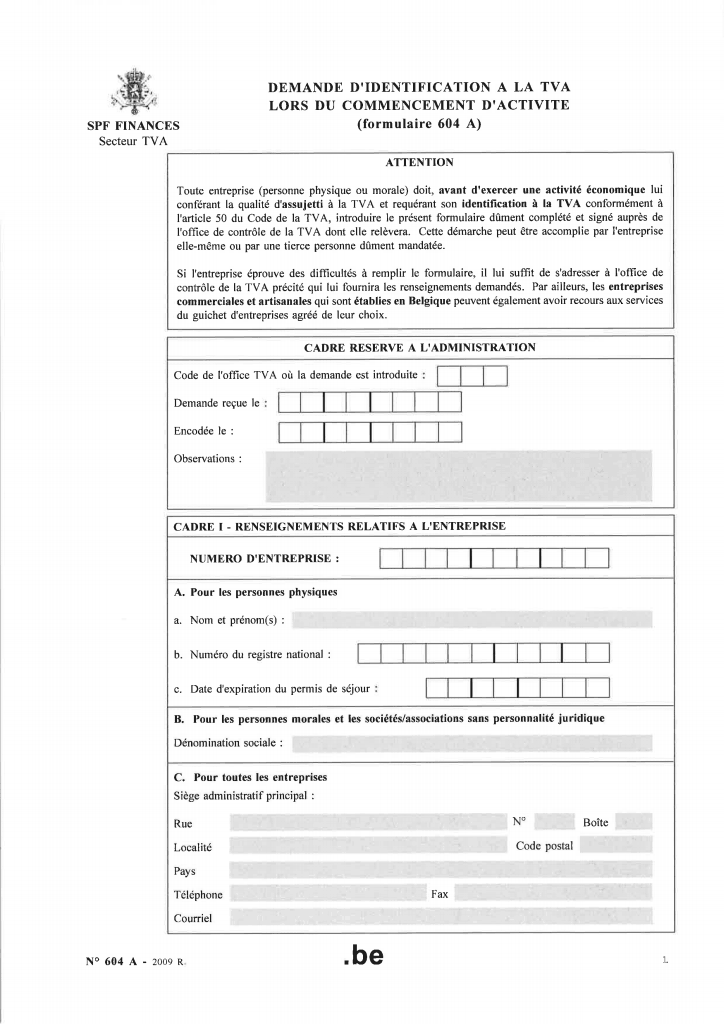
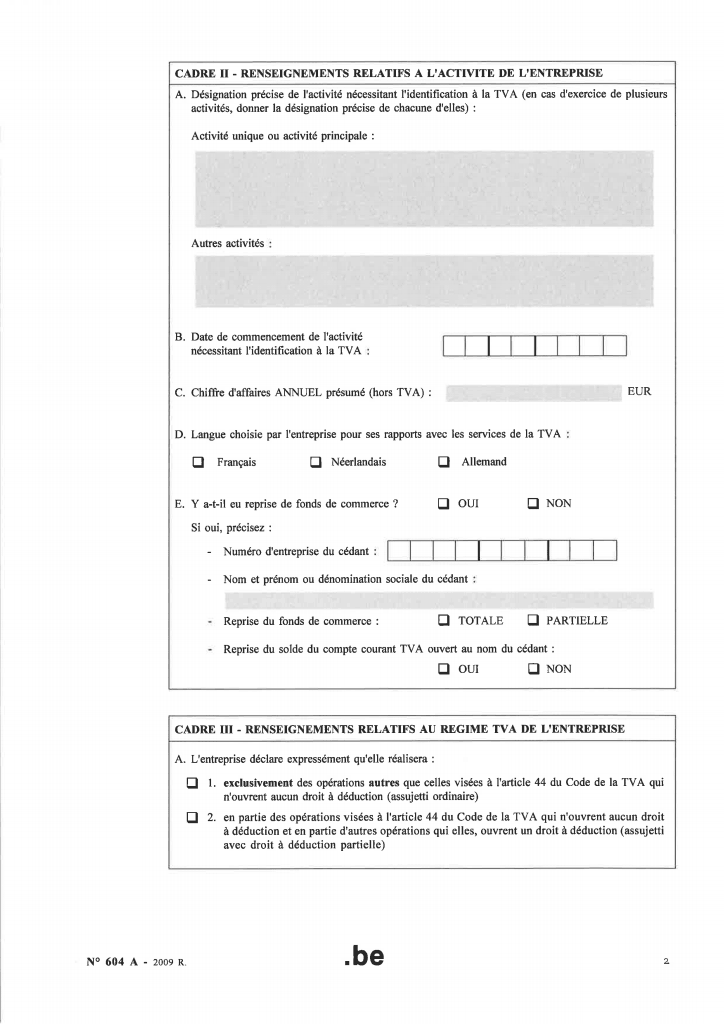
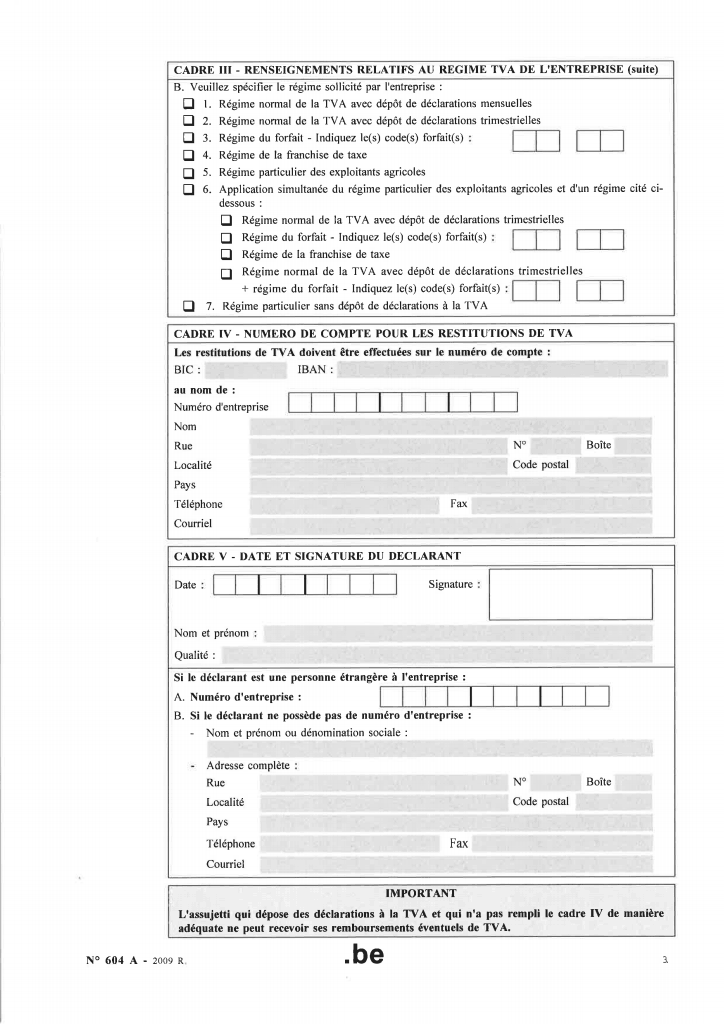
Yes, if you are operating a business in Belgium and you expect your annual revenue to exceed a certain threshold, you will need to register for VAT and obtain a VAT number. The threshold for VAT registration in Belgium is currently set at EUR 50 000 per year. If your annual revenue is expected to exceed this amount, you will need to register for VAT and obtain a VAT number. If your annual revenue is expected to be below the threshold, you may still choose to register for VAT voluntarily. This can be a good option if you expect to make a lot of taxable supplies and you want to be able to reclaim VAT on your business expenses.
No, Belgium is not a tax-free country. There are various taxes that businesses and individuals must pay in Belgium, including income tax, value-added tax (VAT), and corporate tax. In addition to these taxes, there may also be other taxes that apply depending on the specific circumstances of the business or individual. It is important to be aware of and comply with all relevant tax obligations when doing business in Belgium.
PriceEUR 18 700
including incorporation tax, state registry fee, NOT including Compliance fee
PriceIncluded
Stamp Duty and Registrar Office incorporation fee
PriceEUR 6 050
including registered address and registered agent, NOT including Compliance fee
PriceEUR 275
DHL or TNT, at cost of a Courier Service
Pricefrom EUR 700
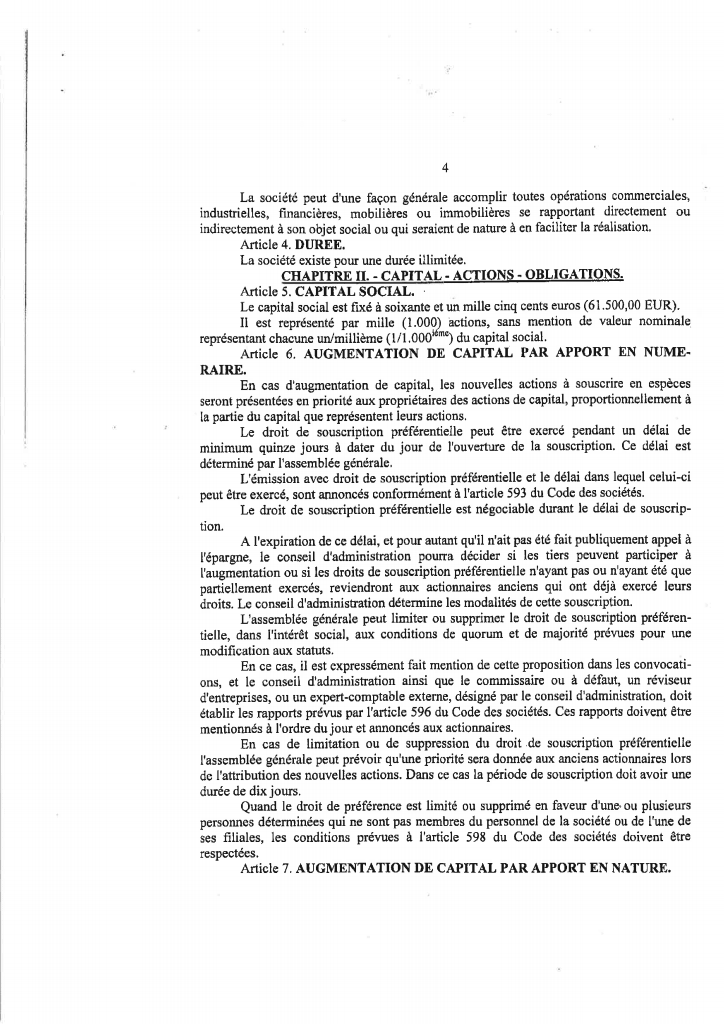
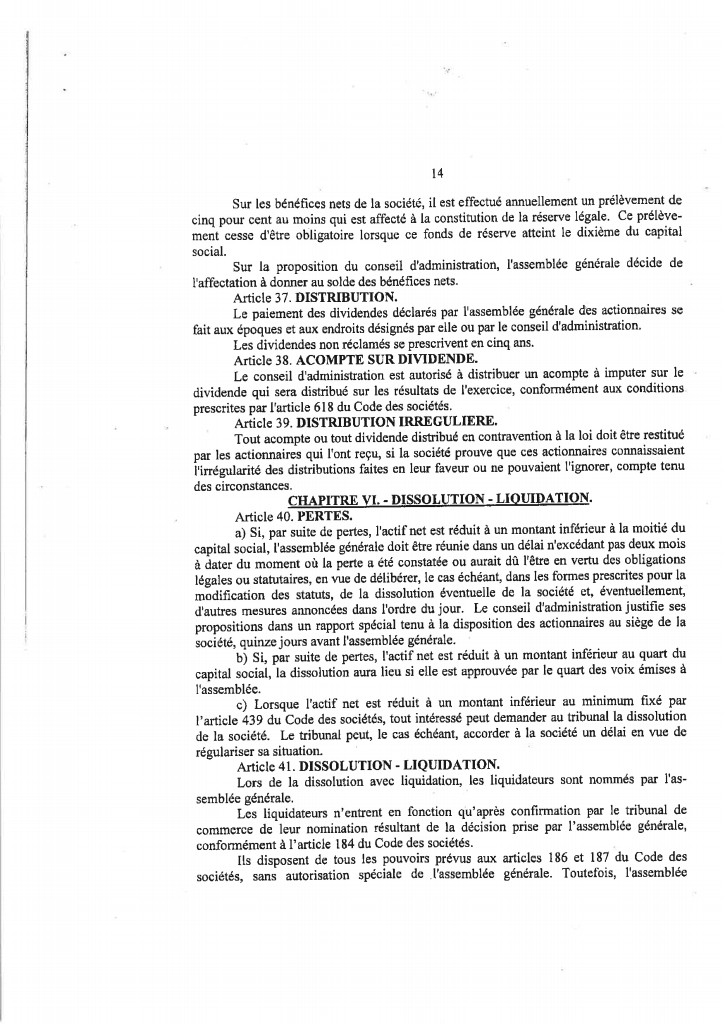
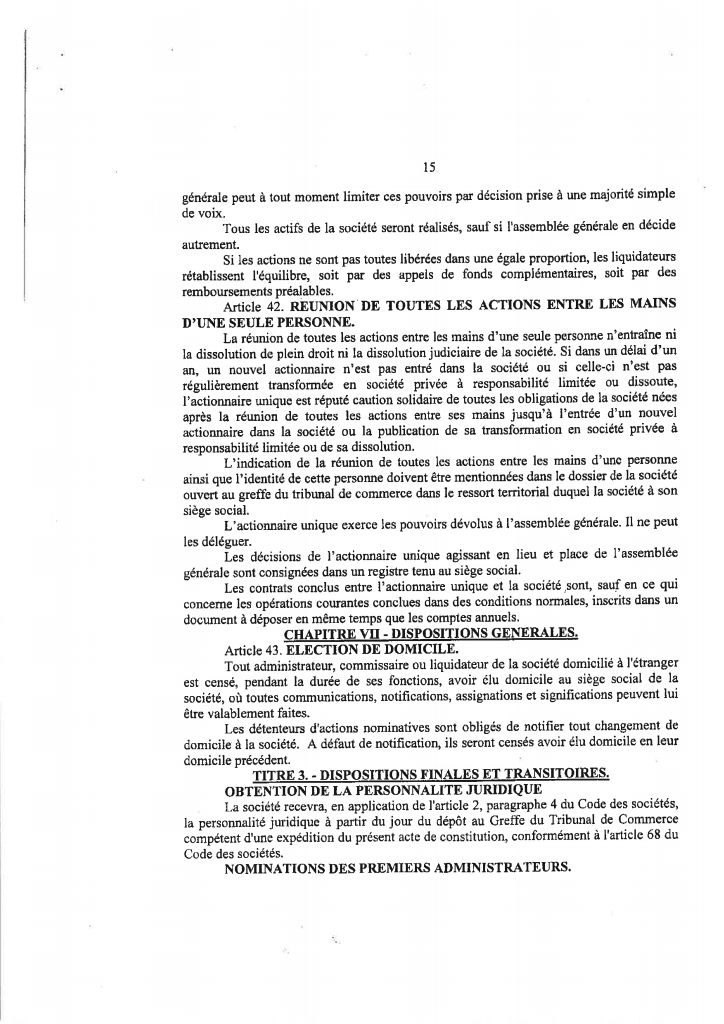
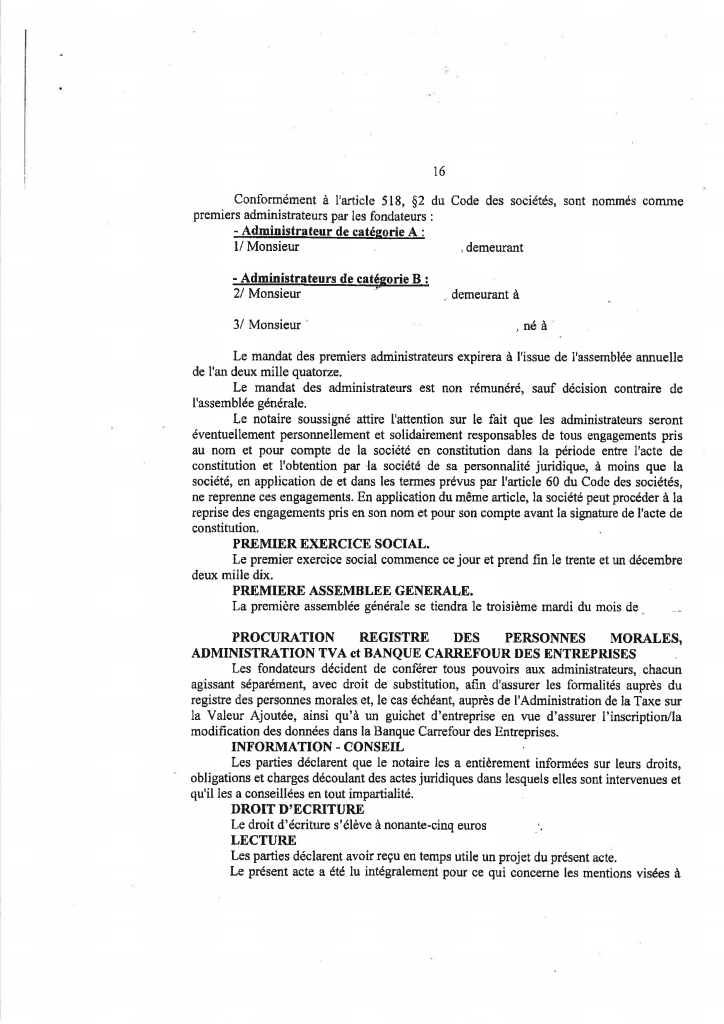
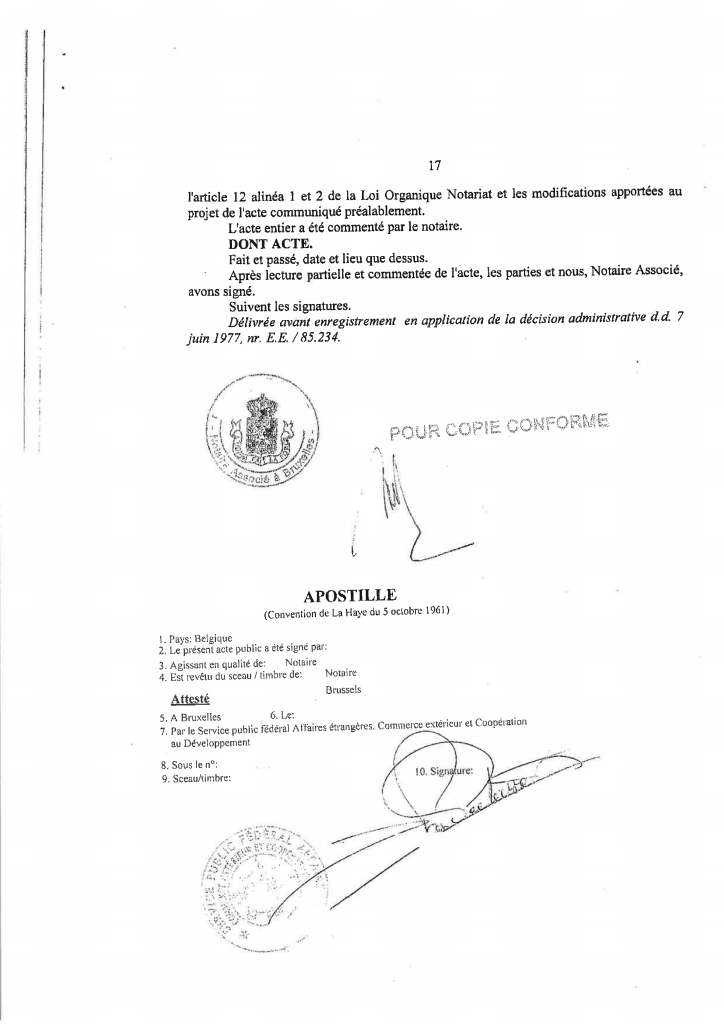
Upon registration, a company publishes an apostilled Articles of Association, also called "Status".
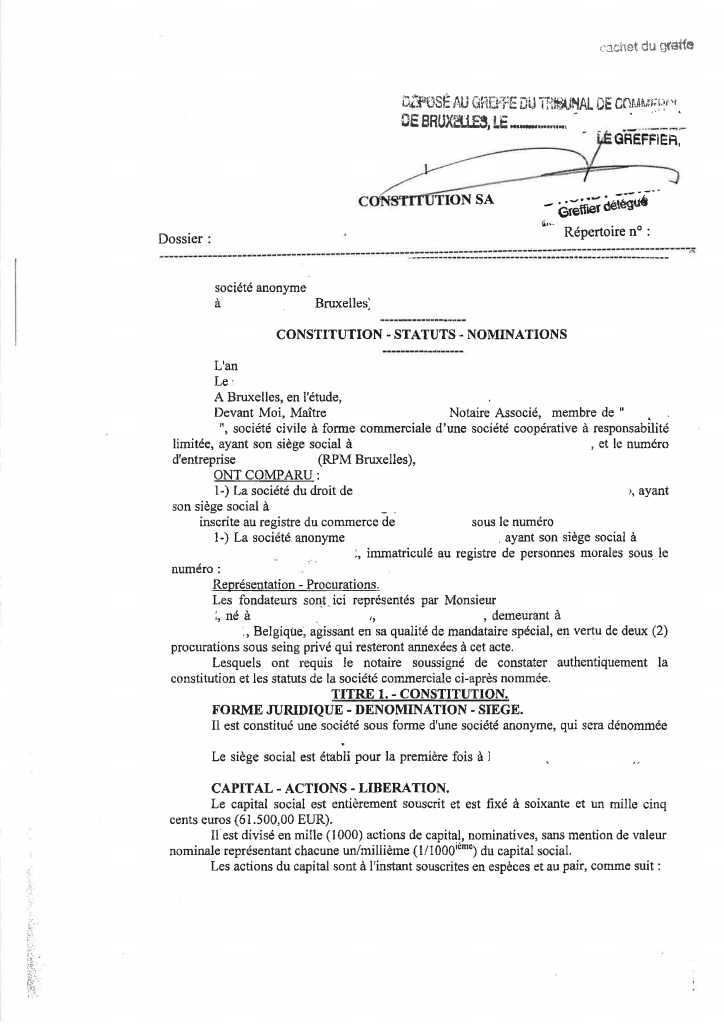
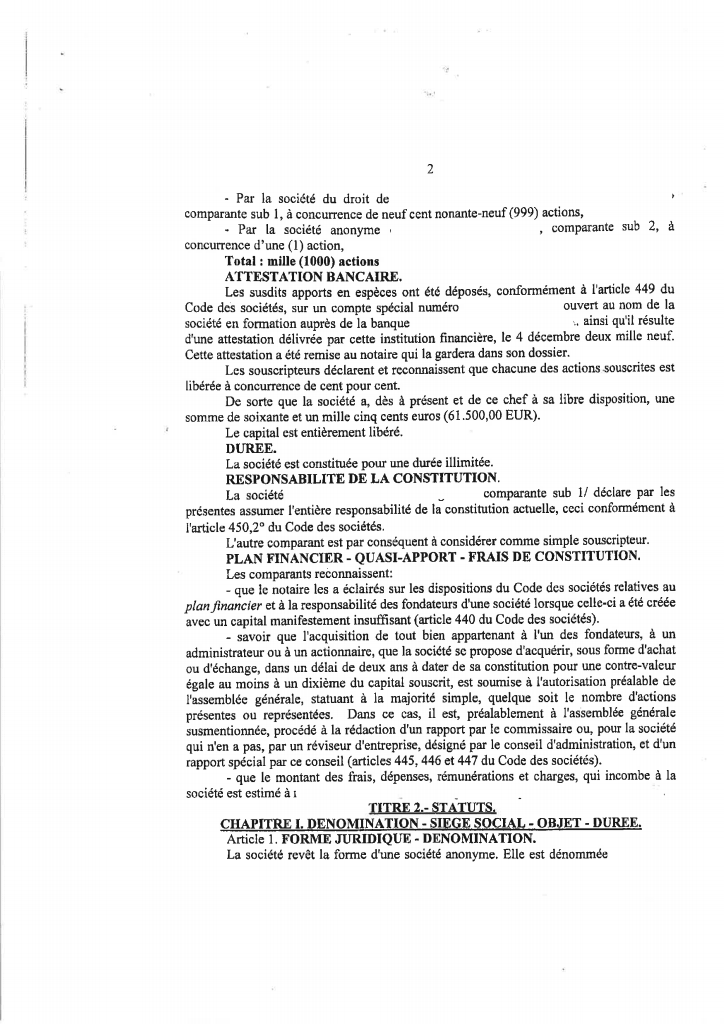

Paid-up “nominee director” set includes the following documents
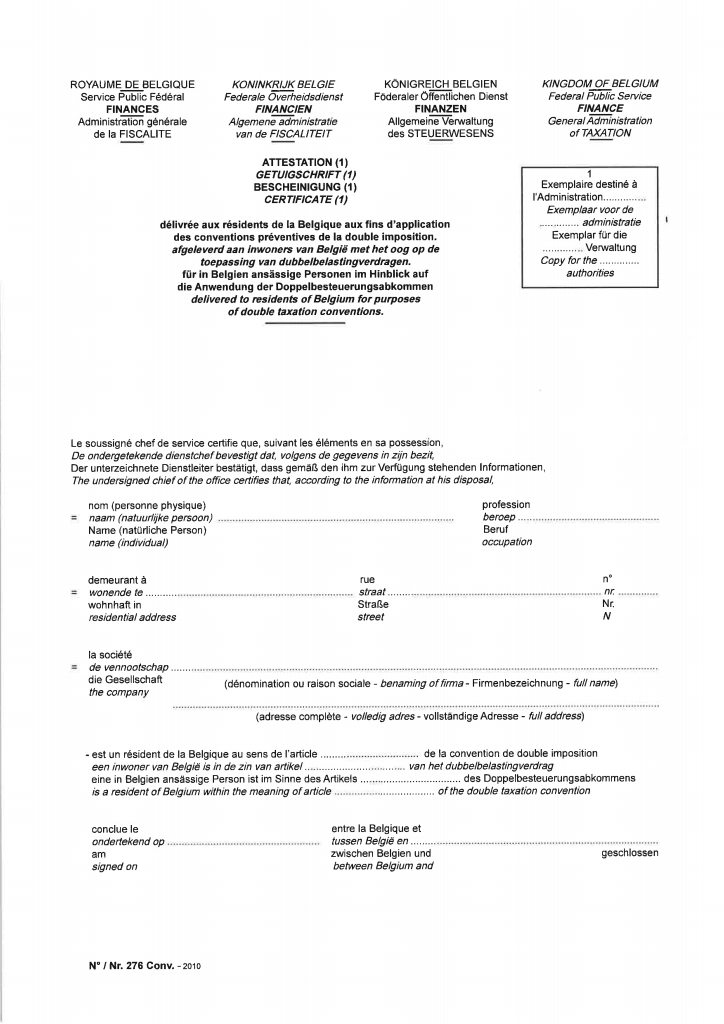
Company’s tax residence certificate for access to double tax treaties network
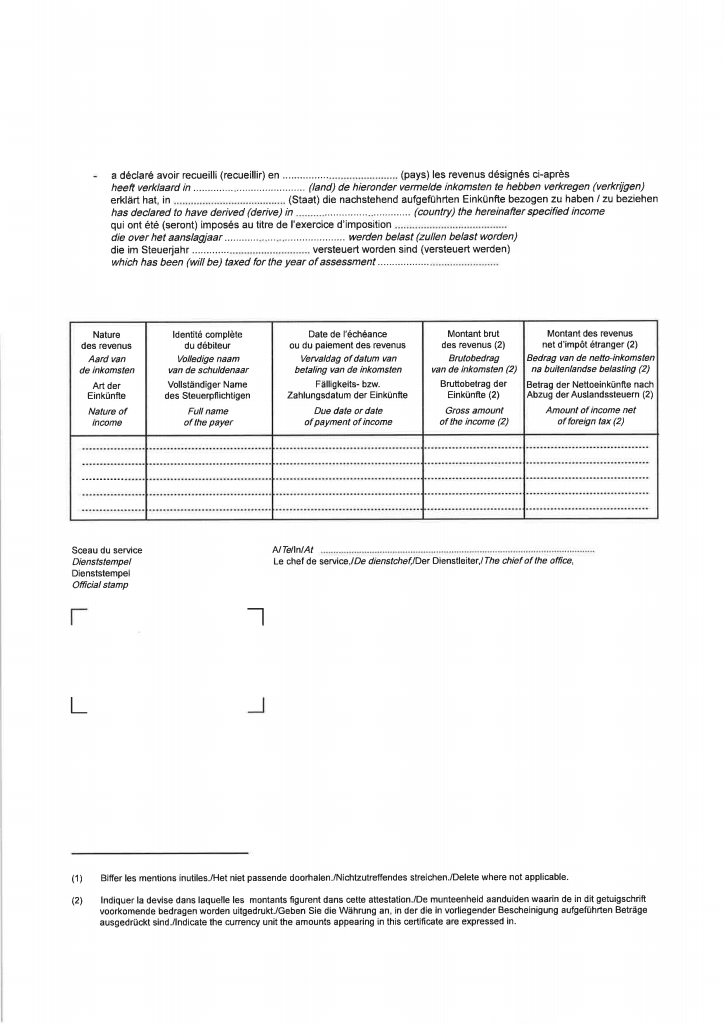
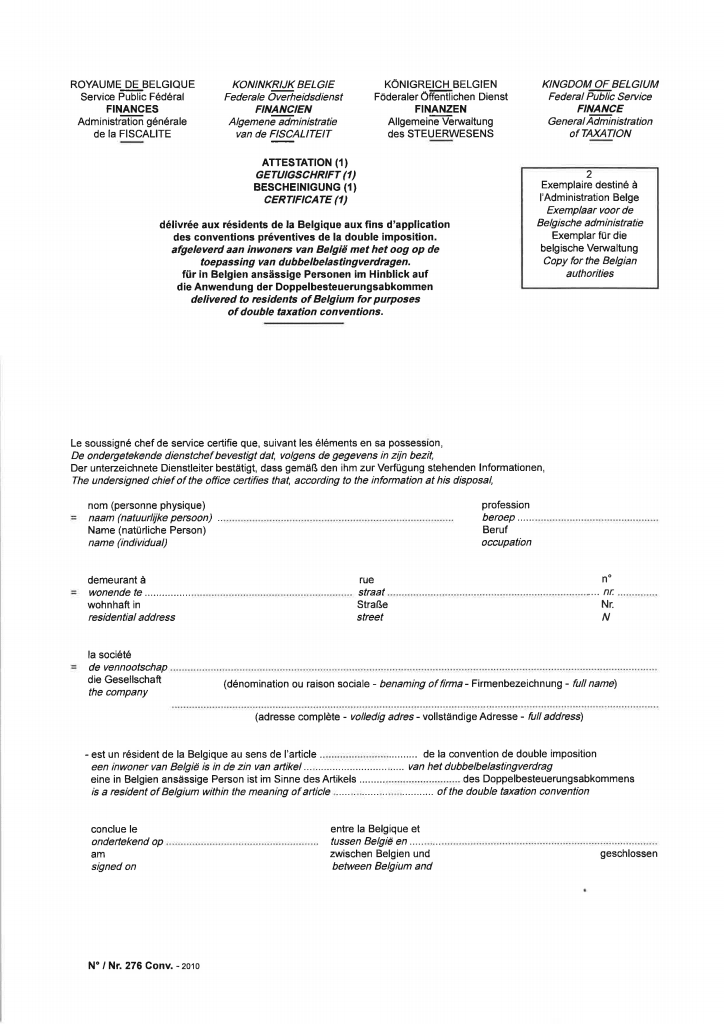
Document issued by a state agency in some countries (Registrar of companies) to confirm a current status of a body corporate. A company with such certificate is proved to be active and operating.
Compliance fee is payable in the cases of: incorporation of a company, renewal of a company, liquidation of a company, transfer out of a company, issue of a power of attorney to a new attorney, change of director / shareholder / BO (except the change to a nominee director / shareholder), signing of documents
PriceEUR 385
simple company structure with only 1 physical person
PriceEUR 165
additional compliance fee for legal entity in structure under GSL administration (per 1 entity)
PriceEUR 220
additional compliance fee for legal entity in structure NOT under GSL administration (per 1 entity)
PriceEUR 495
PriceEUR 110